Te Pouhere Sunday
Today's story helps us to understand the part we play in a three tikanga Anglican church.
What is Te Pouhere? |
Gospel Conversations |
|
Te Pouhere Sunday is the second Sunday after Pentecost, and is the day on which this Church celebrates it's Constitution / Te Pouhere, which establishes the three Tikanga (cultural streams) of this Church in this Province of Aotearoa New Zealand and Polynesia. The Anglican Church of Aotearoa New Zealand and Polynesia has three beautiful cultural strands or ways of doing things -- Maori, Pakeha and Pasifika. This relationship came into place in 1992, and the word Te Pouhere means constitution -- which, in te reo, also means a hitching post for a waka. There is one post (Christ) with three waka tied up to it. You can read more about Te Pouhere Sunday in this article from St Michael's Anglican Church
The Archbishops are calling the church to pray for reconciliation and thanksgiving as we celebrate the diversity of our church on Te Pouhere Sunday. The full prayer can be found here. ResourcesThese links are shared from the anglican.org.nz
Click below for some resources:
Children's TalkHow did you find it to do the games when there was just one person in each team? (Hopefully they will say it was really hard!). I wonder what it was that made it easier? Well, I noticed that the person found it easier when there was a team and they had people to help share the load and stop them from feeling too tired. It made me think of when we see people in a waka (canoe). They each have a paddle to help. Show them a picture of a boat/waka.
Today is Te Pouhere Sunday which is the celebration of the three strands that make up our Anglican church in Aotearoa New Zealand. The three strands are tikanga Maori, tikanga pakeha and tikanga pasifika. Just like the games we played today, these 3 strands make up one really strong strand which is our church and the culture of these three strands is woven together in a rich tapestry to make our church. We celebrate our differences but also that we come together to share the gospel in so many ways. Use the piece of wool as an illustration – show the kids a single strand and get one of them to try and break it. Then show them the braided one and do the same…hopefully it will be too hard. Chat more about how three strands are stronger and how lucky we are in the Anglican Church to have three cultures to draw on and complement each other. PrayersWe can finish our prayers by saying the following sentences in any of the languages honoured by Te Pouhere Sunday:
Tikanga Pakeha: English God of love Grant our prayer Tikanga Pasifika: Tongan'Eiki 'alo'ofa e (God of Love) Tali 'emu lotu (Grant our Prayer) Tikanga Maori: Te Reo Peace be with you! Kia tau te rangimarie! Tikanga Pasifika: Samoan Think of something to be thankful for, and respond in with this phrase for 'Thank you very much!' Faafetai lava Praying for Islands in the PacificTake this Sunday to pray for islands in the pacific, for any needs that you know of, or for protection from climate change, recovery in tourism after Covid, health and the faith of our Pasifika brothers and sisters.
Islands in Melanesia, Polynesia and Micronesia include: Tonga, Samoa, Cook Islands, Fiji, Tokelau, Solomon Islands, Vanuatu, Tuvalu, Norfolk Island, Kermadec Island. |
Te Pouhere is something unique to our Anglican province: both something we are living and something we are striving towards. This week Mere Montgomery (Tikanga Pasefika), Katene Eruera (Tikanga Maori) and Kelvin Wright (Tikanga Pakeha) weave discussions on the Gospel reading with reflections on what Te Pouhere means, and could mean, for us.
Bishop Kelvin Wright, the Rev’d Jan Clark and the Rev’d Claire Brown join Michael to talk about the significance of Te Pouhere Sunday to the Anglican Church of Aotearoa New Zealand and Polynesia.
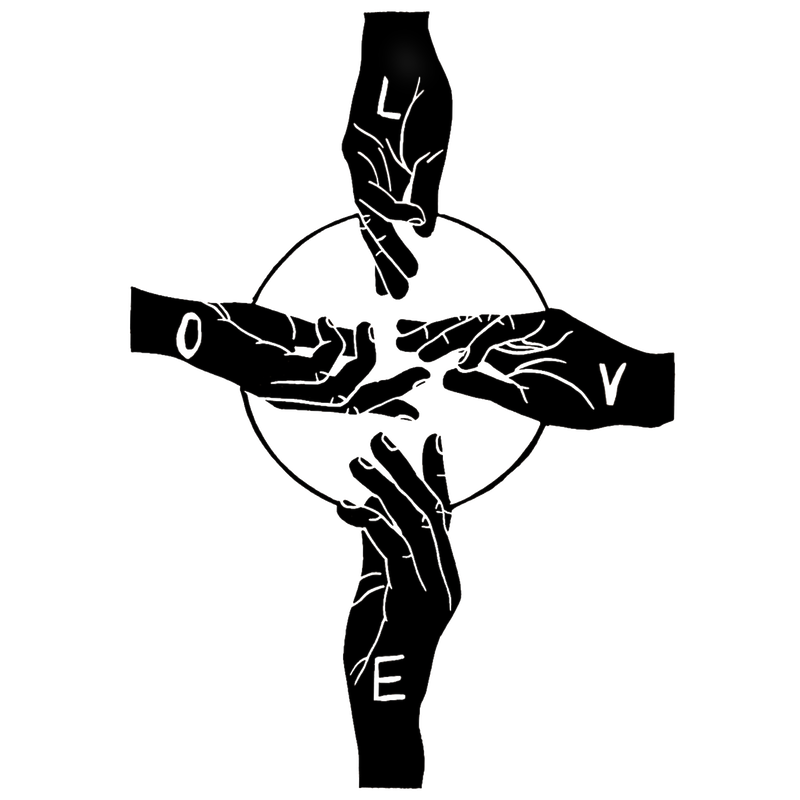
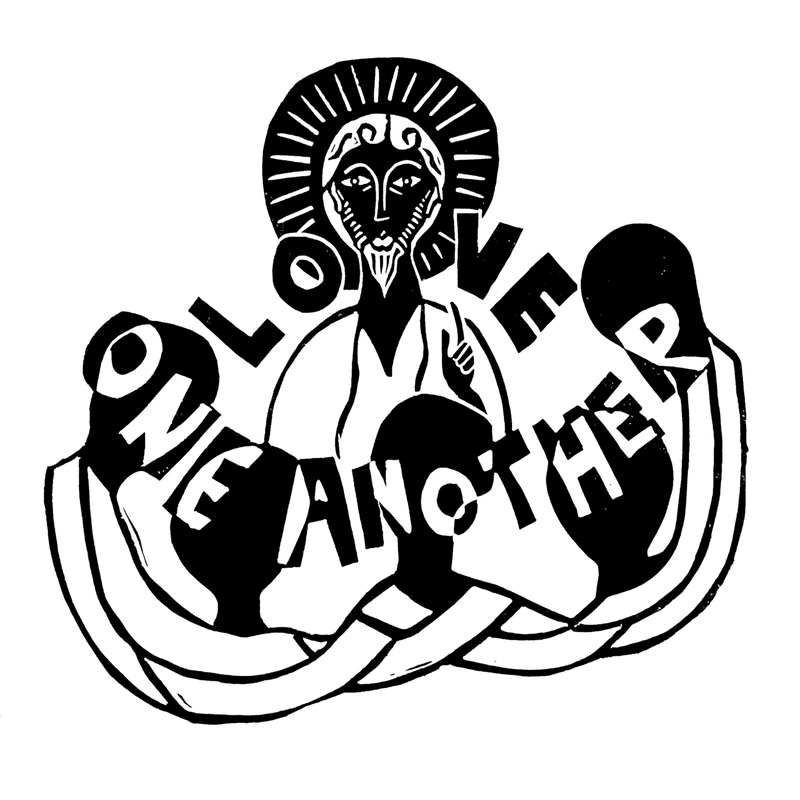
Visio LectioFor Visio Lectio project images for Te Pouhere Sunday (Aotearoa), see Easter 5 (Year C) or Ordinary 31 (Year B). Created by the Anglican Diocese of Auckland. © Sarah West. All Rights reserved, shared with permission.
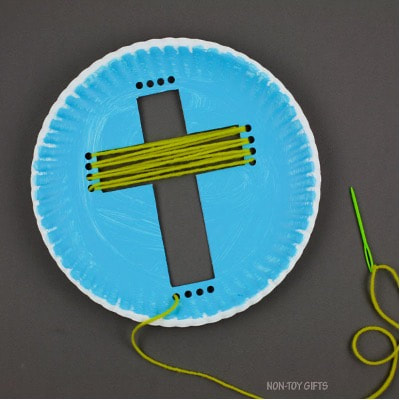
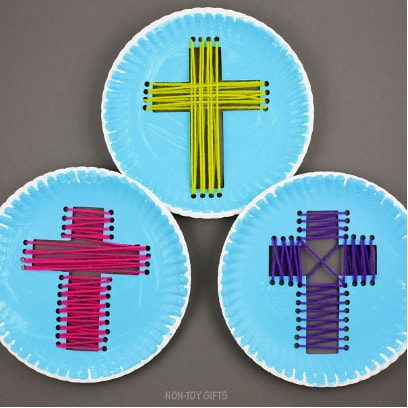
Woven CrossesA craft using a paper plate to weave a cross
Using black, red and white thread to make our three Tikanga cross. Show them our three tikanga cross and explain the symbolism of the weaving and the thread left (perhaps ask them if they have seen it anywhere recently. Hopefully someone will recognise it from behind the choir!). GamesTug of war: We will play tug of war first using just one person on each team, slowly adding in people.
Pass the balloon: we will lie on our backs and use our feet to pass the balloons along – same principal of using just one person first and then adding in others. Origami wakaMake Origami waka for prayers, or a creative prayer station. This simple tutorial below can help:
BlessingGod of the southern seas and these islands through baptism you have given us an inheritance into one family, give us grace to walk together in the unity of Christ Jesus; and the blessing of God almighty, the Father, the Son and the Holy Spirit, be among you and remain with you always. Amen
ReflectionTe Pouhere Sunday reminds us that we are woven together as one beautiful church, and that all our diversity, experience, culture and wisdom makes us stronger together. We bring our stories, experiences, worship, prayers, faithfulness and trust in God together, to share as one body.
|